It has been three hours. Your baby is still asleep, and you are standing in the doorway doing that thing where you stare at their chest just to make sure it’s still moving. Every instinct says do not touch that baby. But something in the back of your brain is asking, should I wake them?

Here’s the thing: both instincts are right, depending on the situation. The advice you have heard a thousand times “never wake a sleeping baby” exists for a real reason. But there are situations where waking your baby is exactly the right call, and knowing the difference is genuinely useful. This post covers both.
Why the “Never Wake a Sleeping Baby” Rule Exists
Baby sleep cycles are nothing like adult sleep cycles. Where adults move through full cycles roughly every 90
minutes, newborns cycle through sleep stages every 20 to 45 minutes. Each cycle involves light sleep, deep sleep, and a brief partial arousal in between. When you interrupt that cycle, especially during deep sleep, your baby experiences what sleep researchers call sleep inertia. In plain terms, that is the groggy, inconsolable phase where no amount of bouncing, shushing, or feeding seems to help. The baby is not being dramatic. Their nervous system is genuinely disoriented.
That is where the rule comes from. Not superstition. Not old wives’ tales. A baby woken mid-cycle is a baby who will take a long time to settle, feed poorly, and likely fight the next sleep too. Respecting their sleep is not you being passive. It is you working with their biology instead of against it. If you want to understand the timing side of this better, the post on [wake windows by age](/wake-windows-by-age/) breaks down exactly how long your baby should be awake between sleeps at each stage.
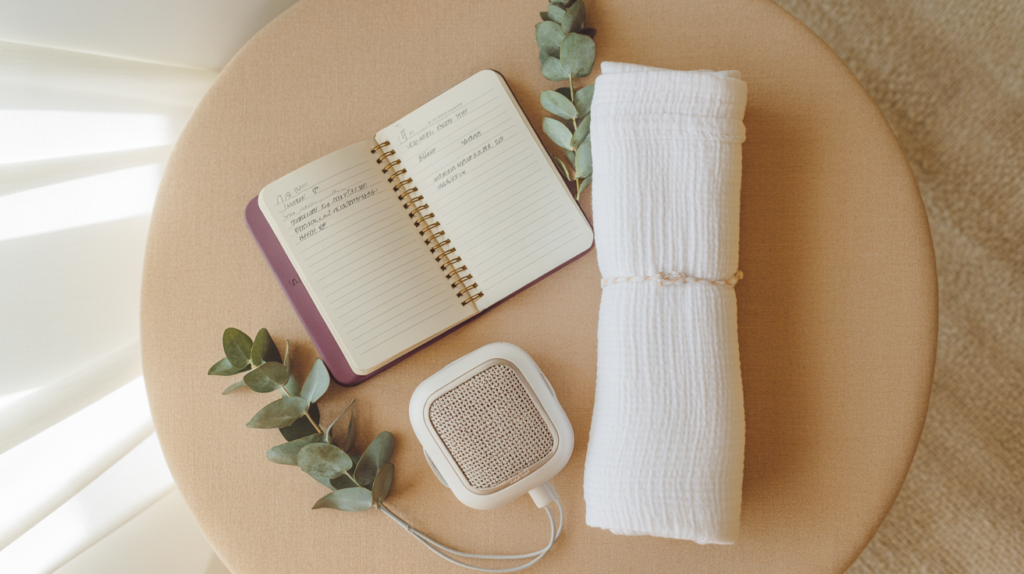
A good white noise machine near the crib can protect sleep cycles from household sounds during those sensitive transition moments between cycles.
How Wake Windows Change Everything

Once you understand wake windows, the whole conversation about waking shifts. A wake window is the amount of time your baby can comfortably stay awake before they need to sleep again. Miss that window on one end, and your baby is overtired before the nap starts. Let the nap run too long on the other end, and the next window gets pushed into impossible territory.
Here is where it connects. If your baby has slept so long that they have already blown through their next wake window, waking them at that point will not fix things. They are entering overtired territory regardless.
But if a long nap is threatening to destroy bedtime, that is a different calculation entirely, and waking
them may actually protect the whole day’s rhythm. The post on [newborn sleep schedule](/newborn-schedule/)walks through how a full day of sleep and wake windows fits together, which makes this much easier to visualise in practice.
Understanding the rhythm is what turns the “never wake them” rule from a hard rule into something more useful: a default, with exceptions.
When You Actually Should Wake a Sleeping Baby
This is the part most posts skip. The exceptions are real, they matter, and some of them are genuinely important. Here they are, clearly.
Newborns in the first two weeks of life
In the first two weeks, weight gain is the priority. Newborns have tiny stomachs and need to feed frequently, including overnight. If it has been more than three to four hours since the last feed, wake your baby and offer a feed. Their instinct to sleep can sometimes override their hunger cues at this stage, and consistent feeding is what drives milk supply and healthy weight gain. Always follow your paediatrician’s specific advice here, as some newborns need even closer monitoring.
Jaundiced newborns
Jaundice is common, and one of the ways to help move it along is frequent feeding. Sleepy jaundiced newborns can slip into a cycle of sleeping through feeds, whicslows recovery. If your doctor has told you your baby has jaundice, follow their feeding instructions precisely, even if that means waking a very peaceful-looking baby.
The nap that is going to destroy bedtime
A two-year-old who falls asleep at 5pm and sleeps for two and a half hours will be awake at 10pm ready for a party. A four-month-old who naps from 4pm onward will not be ready for bed until well past your threshold. A late nap running long is a bedtime problem in the making. Wake them gently, move to a quiet activity, and protect that bedtime window.
Day and night confusion

In the early weeks, many babies have their days and nights genuinely reversed. They sleep long stretches during the day and want to party from 2am to 5am. Gently keeping them more awake and engaged during daylight hours, and keeping nighttime feeds calm and dark, helps their biological clock shift toward a more workable pattern. It takes days, not hours. But it works.
A safety concern
Fever, unusual breathing, a colour that looks off, a limpness that does not seem right. Always wake a sleeping baby if something about their appearance or breathing is giving you a bad feeling. Trust that instinct immediately. This is not the situation where you wait and see.
A video baby monitor with breathing or movement alerts can give you visibility without having to physically check on them, so you only need to intervene when something actually looks wrong.
Your doctor has given you specific instructions This one overrides everything else on this list. If your paediatrician has told you to wake your baby every two hours, or to feed before a certain time, or to monitor for something specific, follow those instructions. General guidance is general. Your doctor knows your baby.
How to Wake a Sleeping Baby Gently
If you have landed in one of those situations where waking is the right call, how you do it matters. Jolting a baby awake will trigger exactly the sleep inertia you are trying to avoid.
– Unswaddle them or undress one layer. A gentle drop in temperature rouses them gradually.
– Stroke the bottom of their feet or tickle lightly behind the ear.
– Bring them into a slightly brighter space, not sudden bright light, just a shift.
– Talk to them softly before you pick them up. Let your voice bring them up first.
– Offer skin-to-skin if feeding is the goal. The combination of warmth and smell usually brings them round within a few minutes.
There is no need to rush this. Give it three to five minutes before escalating to more stimulation.
A Quick Word on Safe Sleep
While we are here: every sleep, every time, should be on their back, on a firm flat surface with no soft bedding or bumpers in the crib. The American Academy of Pediatrics recommends room sharing, with the baby in their own separate sleep space, for at least the first six months. Not bed sharing, room sharing.
If you want a full overview of current safe sleep guidance, the [complete guide to baby sleep safety](/complete-baby-sleep-guide/) covers it all in one place.
You Are Probably Getting This Right
Here is the honest truth. The fact that you are standing at the monitor wondering whether to wake your baby means you are paying attention. Both instincts, the one that says leave them and the one that says maybe I should check, are coming from the right place.
Use this post as a framework, not a rulebook.
Most of the time, let them sleep. But when the situation calls for it, wake them with confidence. You will know the difference.